
Trump's DOJ turns to a never-used court for its next deportation fight
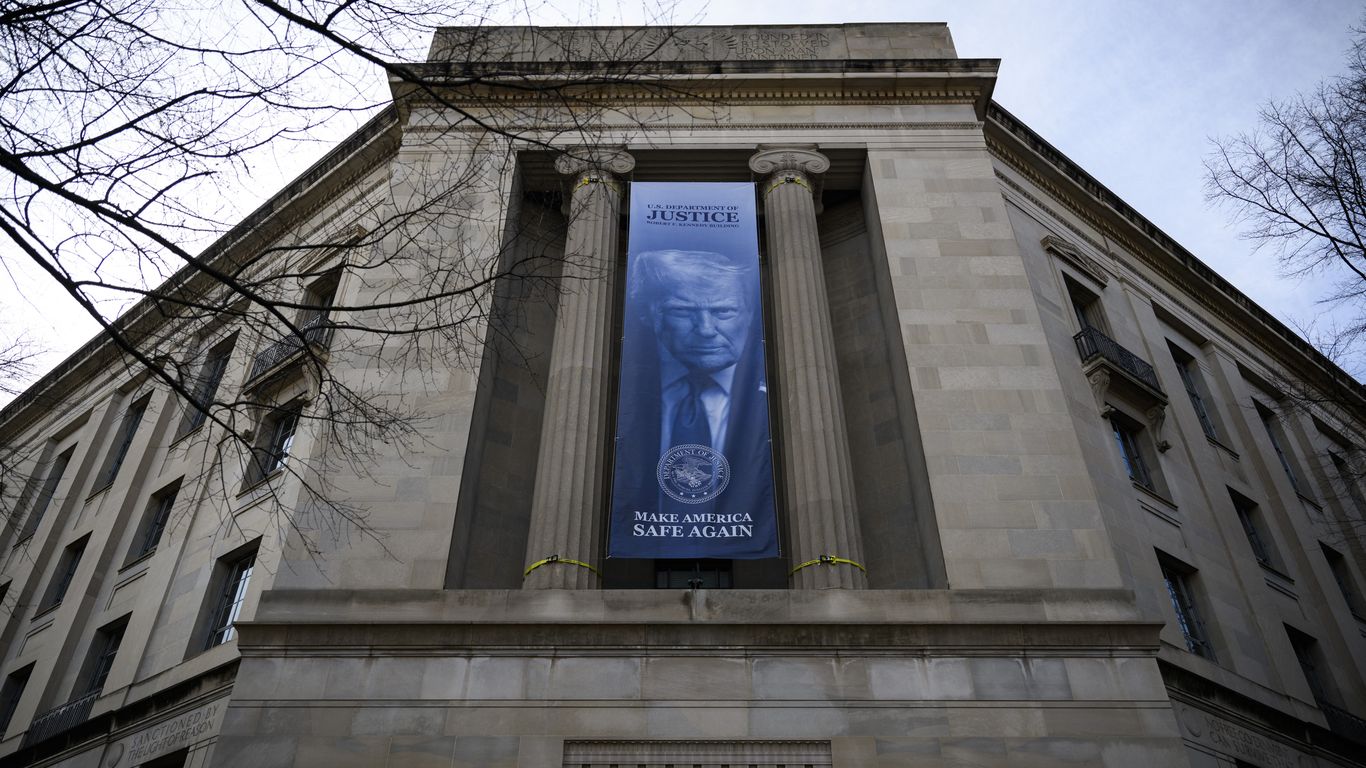
The Justice Department is asking a never-before-used federal court to remove an unnamed noncitizen, the first use of a 30-year-old process that could give President Trump a new tool for his deportation agenda.Why it matters: If the Justice Department wins, it could remove people it links to terrorism while keeping much of its evidence secret.A loss could show why this court sat idle for 30 years: The law may demand more than the government wants to provide.Driving the news: The DOJ filed the first application in the Alien Terrorist Removal Court's history last Wednesday.The one-page filing does not name the person, the alleged conduct or the part of the anti-terrorism law the department cited. News site Court Watch first reported the filing.Chief Judge Joan N.
Reported by 1 outlet — Axios. See all sources ↓
The Justice Department is asking a never-before-used federal court to remove an unnamed noncitizen, the first use of a 30-year-old process that could give President Trump a new tool for his deportation agenda.Why it matters: If the Justice Department wins, it could remove people it links to terrorism while keeping much of its evidence secret.A loss could show why this court sat idle for 30 years: The law may demand more than the government wants to provide.Driving the news: The DOJ filed the first application in the Alien Terrorist Removal Court's history last Wednesday.The one-page filing does not name the person, the alleged conduct or the part of the anti-terrorism law the department cited. News site Court Watch first reported the filing.Chief Judge Joan N. Ericksen, who heard arguments Thursday, questioned the connection between the person's alleged actions and the law.She ordered the government to provide more facts and legal analysis by Wednesday.The White House and Justice Department have not immediately responded to requests for comment.How it works: The law sets up two stages: one private and the other public.In private, one judge decides if there is probable cause.At the public hearing, DOJ must show it is more likely than not that the person meets the law's definition of an "alien terrorist."Even in public, the person facing removal and the public don't have the right to see classified evidence, but the DOJ must provide an unclassified summary.Context: Congress created the five-judge court in 1996 for cases when ordinary immigration proceedings could expose classified information and threaten national security.The definition of a terrorist covers noncitizens who carried out or are likely to carry out terrorist activity. It also includes those who incite or endorse terrorism, represent or belong to certain terrorist groups, or receive military-type training from them.Normal federal evidence rules don't apply.
Read the full report at Axios ↗
Why it matters
A world story we're tracking; its significance and source trust firm up as more outlets confirm it.
- What's the story?
- The Justice Department is asking a never-before-used federal court to remove an unnamed noncitizen, the first use of a 30-year-old process that could give President Trump a new tool for his deportation agenda.Why it matters: If the Justice Department wins, it could remove people it links to terrorism while keeping much of its evidence secret.A loss could show why this court sat idle for 30 years: The law may demand more than the government wants to provide.Driving the news: The DOJ filed the first application in the Alien Terrorist Removal Court's history last Wednesday.The one-page filing does not name the person, the alleged conduct or the part of the anti-terrorism law the department cited. News site Court Watch first reported the filing.Chief Judge Joan N.
- How widely is it covered?
- 1 outlet, average source rating 7.0/10.
- When was it last updated?
- 4m ago.
How outlets are framing the same story
Here's how each outlet is covering the story — compare their headlines and timing at a glance.
- Coverage card1 outlet1CoverageScouting report
Trump's DOJ turns to a never-used court for its next deportation fight
Sources1TypeCoverageAxios