
Centcom Completes Another Wave of Strikes Against Iran
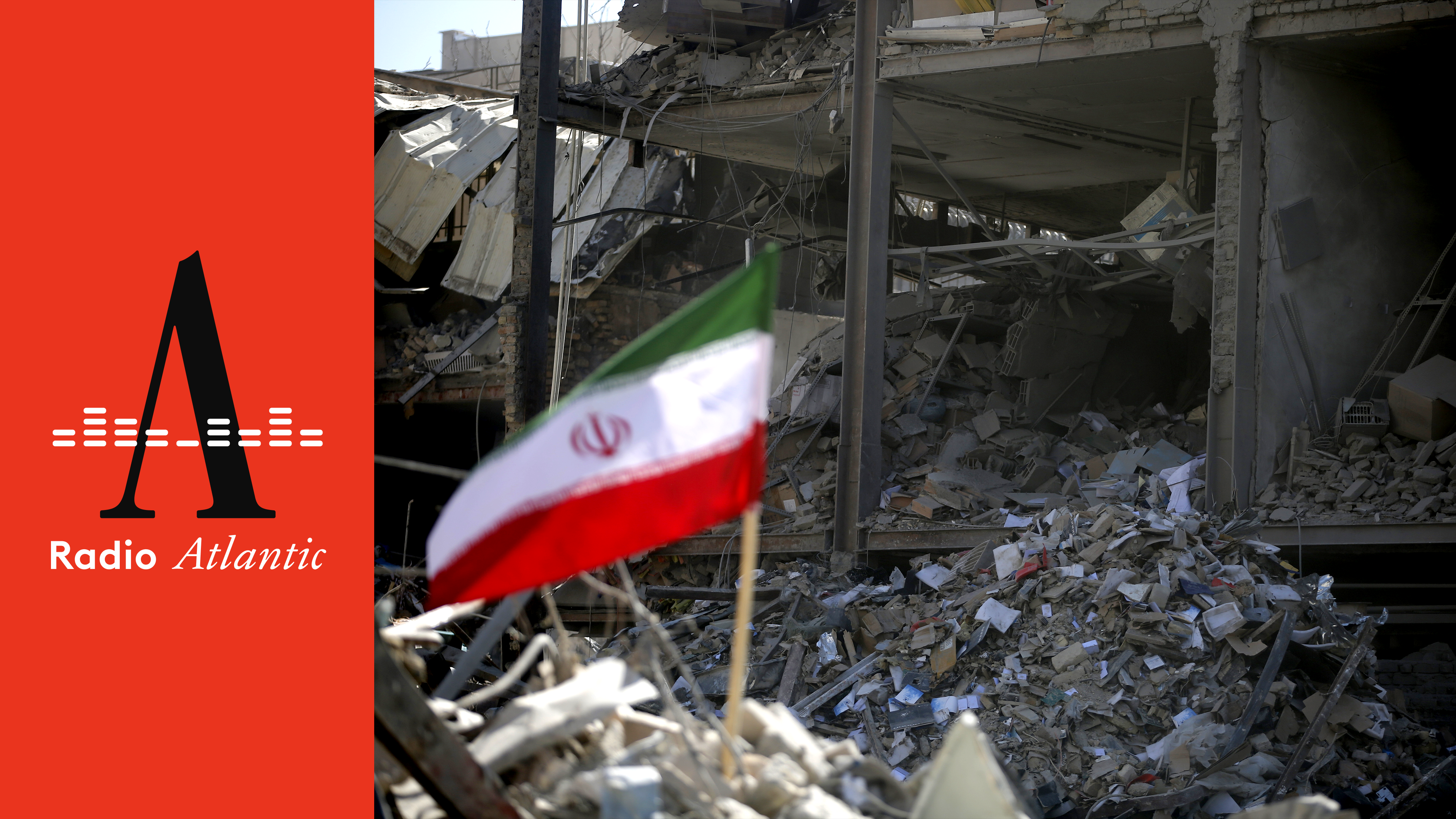
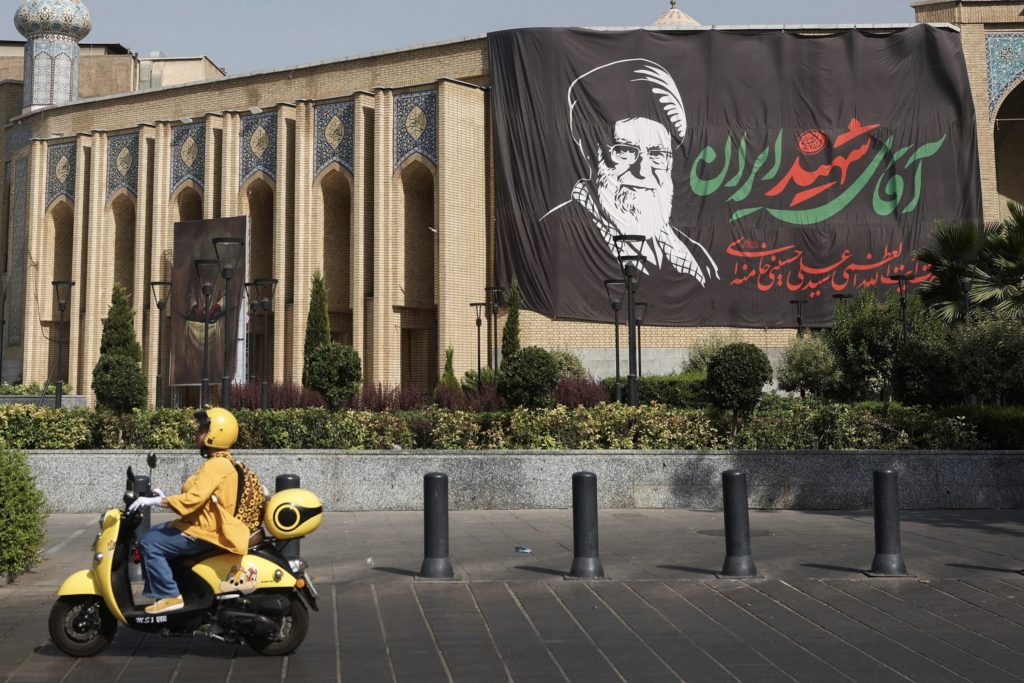
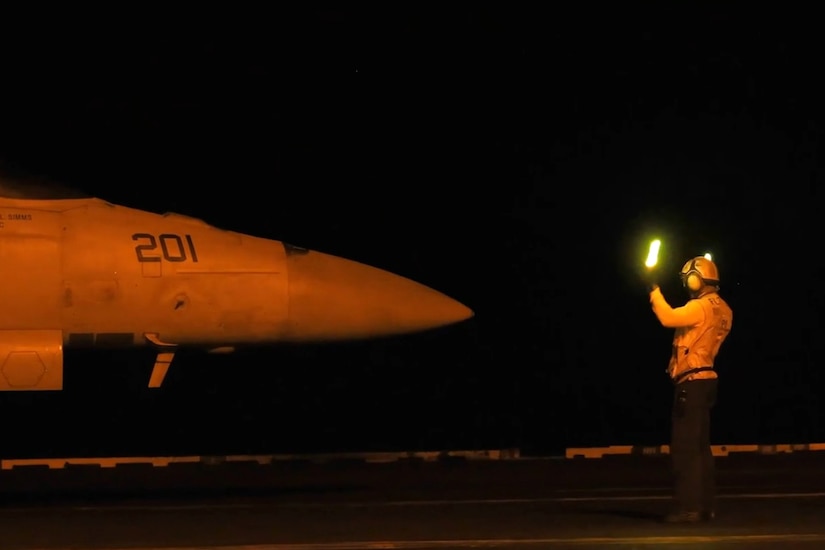



The U.S. military launched a new wave of strikes against Iran, hitting dozens of targets across multiple locations with precise weapons. These attacks continue as tensions rise over the Strait of Hormuz and diplomatic talks are struggling to succeed.
Reported by 12 outlets — U.S. Dept of Defense, BBC World, The Atlantic, CBS News, NPR World, and 4 more. See all sources ↓
The US military attacked Iran again. This was part of a new round of strikes by Central Command (Centcom). The attacks hit many places in Iran. This fighting is happening because of problems near the Strait of Hormuz. Also, peace talks between the two countries are not going well.
Why it matters
This shows that the conflict between the US and Iran is still very active. It means the situation could get worse quickly if diplomacy fails.
- Who launched the strikes?
- The U.S. military, specifically Central Command (Centcom).
- Where did the strikes happen?
- They hit dozens of targets in Iran at multiple locations.
- What is the main reason for the fighting?
- The conflict is mainly over the Strait of Hormuz and failing peace talks.
How outlets are framing the same story
These are the main editorial angles found across reporting. Use them to quickly compare what different outlets emphasize, omit, or question.
Most outlets focus on the continuation of the attacks, but some emphasize the diplomatic failure, while others highlight Iran's retaliation.
- Coverage cardFraming signal1AngleScouting report
The US launched new strikes to attack Iranian military targets.
Sources7TypeAngleU.S. Dept of DefenseCompleted a new wave of offensive strikes.
PBS NewsHourLaunches more strikes as standoff escalates.
CBS NewsAttacks continue into second week.
Al JazeeraLaunched new wave aimed at 'degrading' military.
New York PostDirects fresh round of strikes to hold forces accountable.
The HillLaunched additional strikes amid continued hostilities.
BBC WorldLaunches new attacks on Iran.
- Coverage cardFraming signal2AngleScouting report
The conflict is linked to the Strait of Hormuz standoff.
Sources4TypeAngle - Coverage cardFraming signal3AngleScouting report
Diplomacy is failing or strained.
Sources3TypeAngle - Coverage cardFraming signal4AngleScouting report
Iran is also attacking or reporting damage.
Sources3TypeAngle
The Atlantic8
NPR World8