
Skipping sleep may pack on pounds faster than you think, new study finds
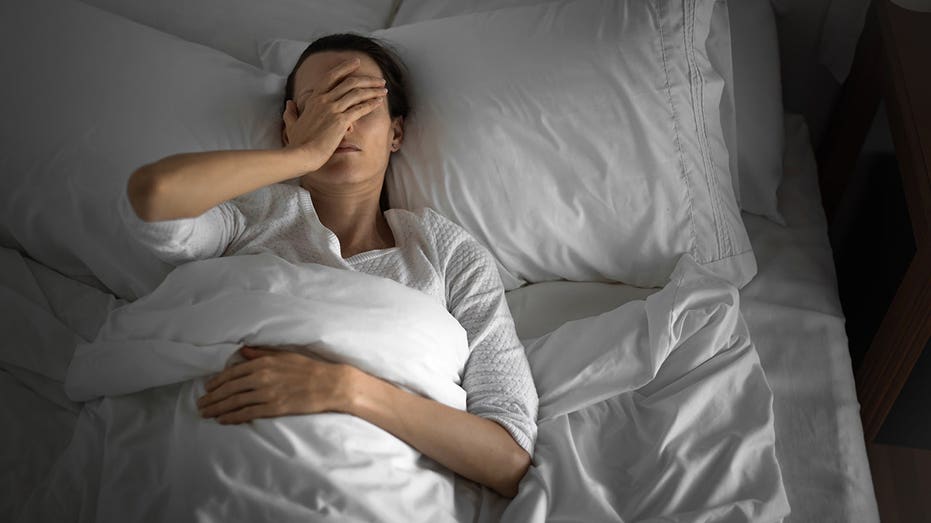
Regularly cutting back on sleep could cause the number on the scale to creep up, according to new research.A study published in the Annals of Internal Medicine found that adults who got about 90 minutes less sleep each night for six weeks gained roughly one pound on average compared with periods when they got enough rest.Researchers at Columbia University Irving Medical Center studied 95 adults who were already at risk for heart or metabolic disease, comparing six weeks of adequate sleep with six weeks of cutting about 90 minutes of sleep each night.DOCTORS SAY 8 FORGOTTEN HABITS COULD HELP FIGHT STRESS, OBESITY AND CHRONIC DISEASEBy the end of the sleep-restricted phase, participants weighed about one pound more on average and had slightly larger waistlines. They also spent more time sitting, although their levels of moderate and vigorous exercise remained about the same.While participants gained weight, researchers did not detect significant changes in body fat or muscle mass.
Reported by 1 outlet — Fox News Latest. See all sources ↓
Regularly cutting back on sleep could cause the number on the scale to creep up, according to new research.A study published in the Annals of Internal Medicine found that adults who got about 90 minutes less sleep each night for six weeks gained roughly one pound on average compared with periods when they got enough rest.Researchers at Columbia University Irving Medical Center studied 95 adults who were already at risk for heart or metabolic disease, comparing six weeks of adequate sleep with six weeks of cutting about 90 minutes of sleep each night.DOCTORS SAY 8 FORGOTTEN HABITS COULD HELP FIGHT STRESS, OBESITY AND CHRONIC DISEASEBy the end of the sleep-restricted phase, participants weighed about one pound more on average and had slightly larger waistlines. They also spent more time sitting, although their levels of moderate and vigorous exercise remained about the same.While participants gained weight, researchers did not detect significant changes in body fat or muscle mass. They also did not track how much participants ate, so it's unclear what drove the increase.Dr. Somi Javaid, an Ohio-based OB-GYN and founder of HerMD who was not involved in the study, told Fox News Digital that sleep plays an important role in regulating the body's metabolism.CLICK HERE FOR MORE HEALTH STORIESJavaid said chronic sleep deprivation can make it harder for the body to regulate weight, but noted that women going through menopause may be especially vulnerable because sleep problems become more common during that stage of life."We are destroying women's sleep at the exact life stage when their metabolism is [the] least able to absorb the hit, then telling them to eat less and exercise more," Javaid said.She added that the American Heart Association now recognizes sleep as one of its "Life's Essential 8" for heart health and recommends adults get seven to nine hours of sleep each night.CLICK HERE TO SIGN UP FOR OUR HEALTH NEWSLETTER"Chronic short sleep is not a lifestyle quirk," Javaid said.
Read the full report at Fox News Latest ↗
Why it matters
A world story we're tracking; its significance and source trust firm up as more outlets confirm it.
- What's the story?
- Regularly cutting back on sleep could cause the number on the scale to creep up, according to new research.A study published in the Annals of Internal Medicine found that adults who got about 90 minutes less sleep each night for six weeks gained roughly one pound on average compared with periods when they got enough rest.Researchers at Columbia University Irving Medical Center studied 95 adults who were already at risk for heart or metabolic disease, comparing six weeks of adequate sleep with six weeks of cutting about 90 minutes of sleep each night.DOCTORS SAY 8 FORGOTTEN HABITS COULD HELP FIGHT STRESS, OBESITY AND CHRONIC DISEASEBy the end of the sleep-restricted phase, participants weighed about one pound more on average and had slightly larger waistlines. They also spent more time sitting, although their levels of moderate and vigorous exercise remained about the same.While participants gained weight, researchers did not detect significant changes in body fat or muscle mass.
- How widely is it covered?
- 1 outlet, average source rating 6.0/10.
- When was it last updated?
- 4m ago.
How outlets are framing the same story
Here's how each outlet is covering the story — compare their headlines and timing at a glance.
- Coverage card1 outlet1CoverageScouting report
Skipping sleep may pack on pounds faster than you think, new study finds
Sources1TypeCoverageFox News Latest