
People Around the World Are Talking Less
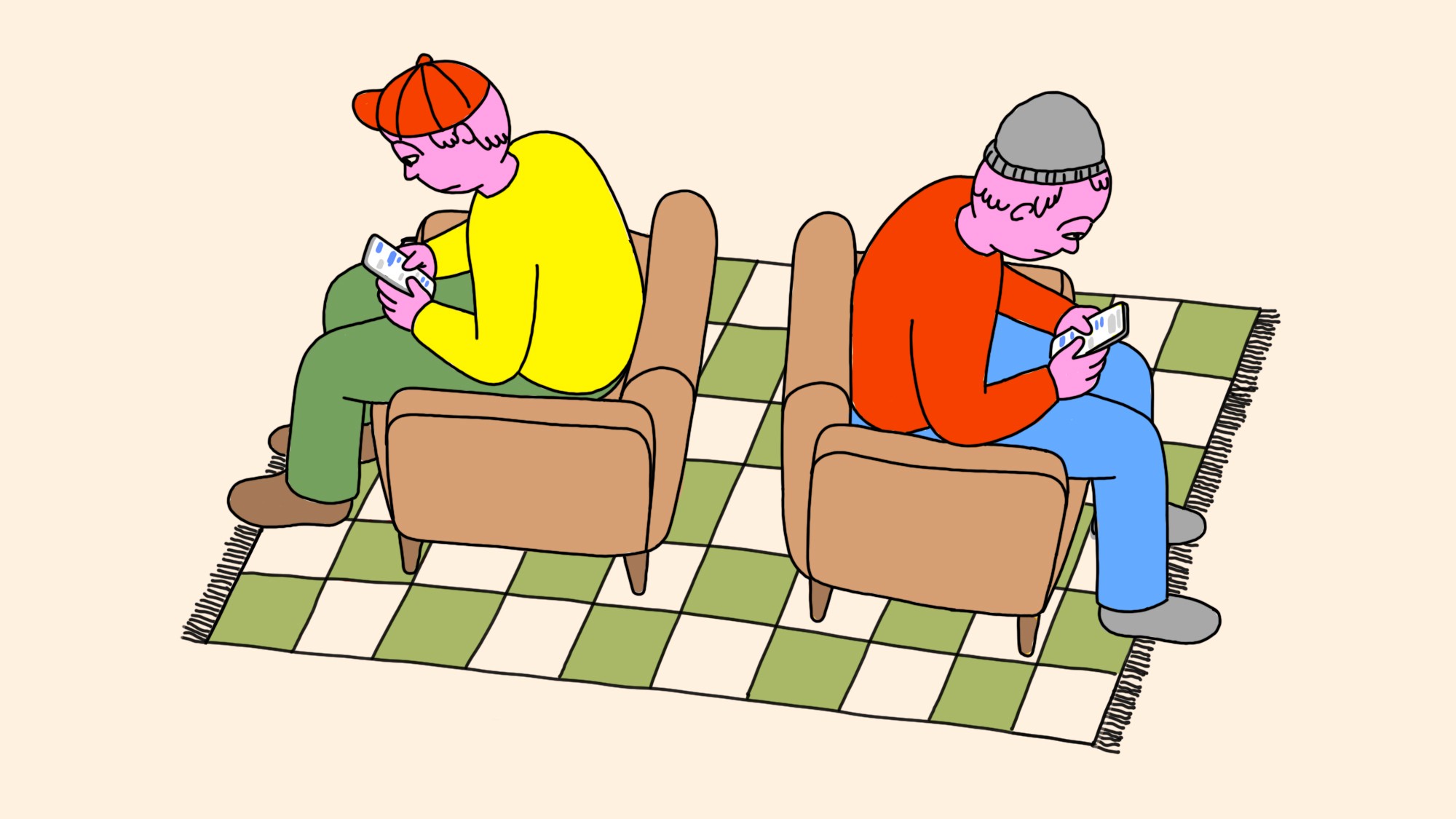
In Europe in the 1700s, coffeehouses were sources of coffee, but also conversation. As the MIT psychologist Sherry Turkle points out in her 2016 book, Reclaiming Conversation, many people went to coffeehouses specifically to have rich, deep, sometimes even confrontational discussions: She quotes the British essayist and politician Joseph Addison, who wrote in 1714, “I have taken a particular Care never to be of the same Opinion with the Man I conversed with.”Contrast this with how, some 300 years later, I engage with my local coffeehouse, Starbucks.
Reported by 1 outlet — The Atlantic. See all sources ↓
In Europe in the 1700s, coffeehouses were sources of coffee, but also conversation. As the MIT psychologist Sherry Turkle points out in her 2016 book, Reclaiming Conversation, many people went to coffeehouses specifically to have rich, deep, sometimes even confrontational discussions: She quotes the British essayist and politician Joseph Addison, who wrote in 1714, “I have taken a particular Care never to be of the same Opinion with the Man I conversed with.”Contrast this with how, some 300 years later, I engage with my local coffeehouse, Starbucks. I open the app at home and order a latte, then whirl my Honda through the drive-through and collect my drink from an employee, who says, “Have a nice day.” No conversation—just caffeine.This new way of obtaining java is part of why, according to a recent study published in the journal Perspectives on Psychological Science, people now are talking less and less. For the study, the psychologists Valeria Pfeifer, of the University of Missouri at Kansas City, and Matthias Mehl, of the University of Arizona, analyzed data from thousands of participants in the United States, Mexico, Australia, and Europe.
Read the full report at The Atlantic ↗
Why it matters
A world story we're tracking; its significance and source trust firm up as more outlets confirm it.
- What's the story?
- In Europe in the 1700s, coffeehouses were sources of coffee, but also conversation. As the MIT psychologist Sherry Turkle points out in her 2016 book, Reclaiming Conversation, many people went to coffeehouses specifically to have rich, deep, sometimes even confrontational discussions: She quotes the British essayist and politician Joseph Addison, who wrote in 1714, “I have taken a particular Care never to be of the same Opinion with the Man I conversed with.”Contrast this with how, some 300 years later, I engage with my local coffeehouse, Starbucks.
- How widely is it covered?
- 1 outlet, average source rating 8.0/10.
- When was it last updated?
- 2m ago.
How outlets are framing the same story
Here's how each outlet is covering the story — compare their headlines and timing at a glance.
- Coverage card1 outlet1CoverageScouting report
People Around the World Are Talking Less
Sources1TypeCoverageThe Atlantic