
New York Times reporters are subpoenaed after Air Force One stories, raising press freedom concerns
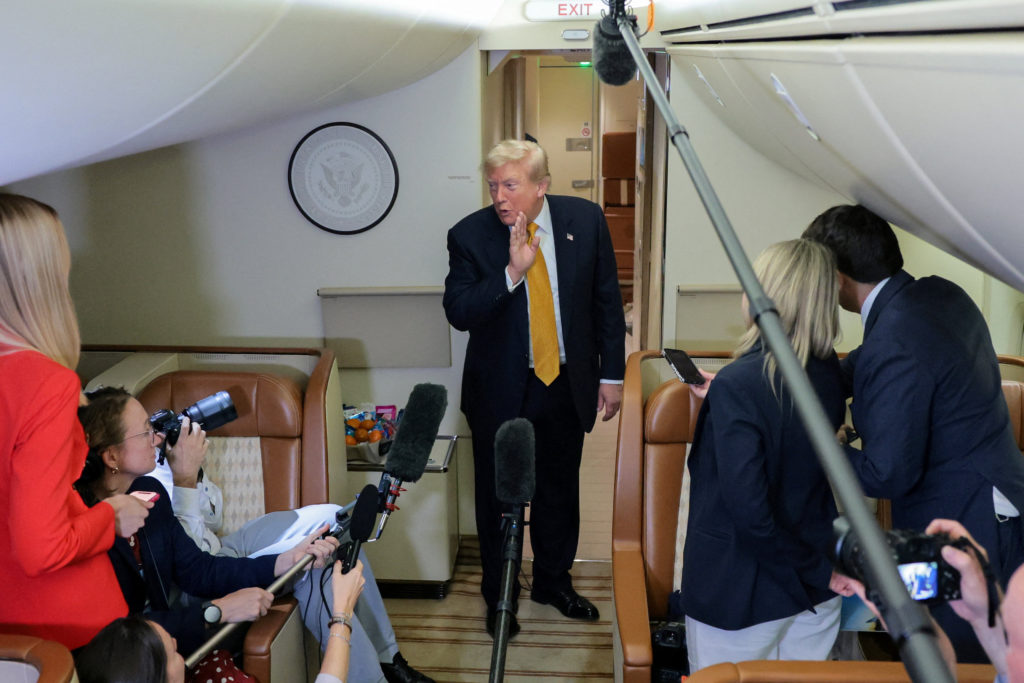
New York Times reporters were officially asked to testify because of their stories about Air Force One. These legal orders are called subpoenas and they require the reporters to appear before a federal grand jury in Manhattan next week.
Reporters from The New York Times received subpoenas. This means the government wants them to give evidence. They must go to a big group of judges (a grand jury) in Manhattan. People worry this is bad for press freedom.
Why it matters
This matters because it shows the government might try to control what news reporters say. It tests how free the press really is in the US.
- Who was subpoenaed?
- Reporters from The New York Times were asked to testify.
- Why are they being called?
- They are being called because of their news stories about Air Force One.
- Where will they go?
- They must testify before a federal grand jury in Manhattan.
How outlets are framing the same story
These are the main editorial angles found across reporting. Use them to quickly compare what different outlets emphasize, omit, or question.
Both outlets focus on the core issue of press freedom, but PBS NewsHour adds details about how the subpoenas were delivered. Al Jazeera emphasizes that many people are angry and calling it an 'intimidation' attempt.
- Angle 1Framing signalThe subpoenas force reporters to testify before a federal grand jury in Manhattan next week.
PBS NewsHourGave specific details about the required testimony.
- Angle 2Framing signalThe subpoenas are seen as an attempt to 'threaten and intimidate' journalists.
Al JazeeraUsed strong language from advocates/Congress.
- Angle 3Framing signalFederal agents delivered some subpoenas directly to the reporters at their homes.