
Company That Bragged It Could Track U.S. Spies Hired to Investigate “Havana Syndrome”
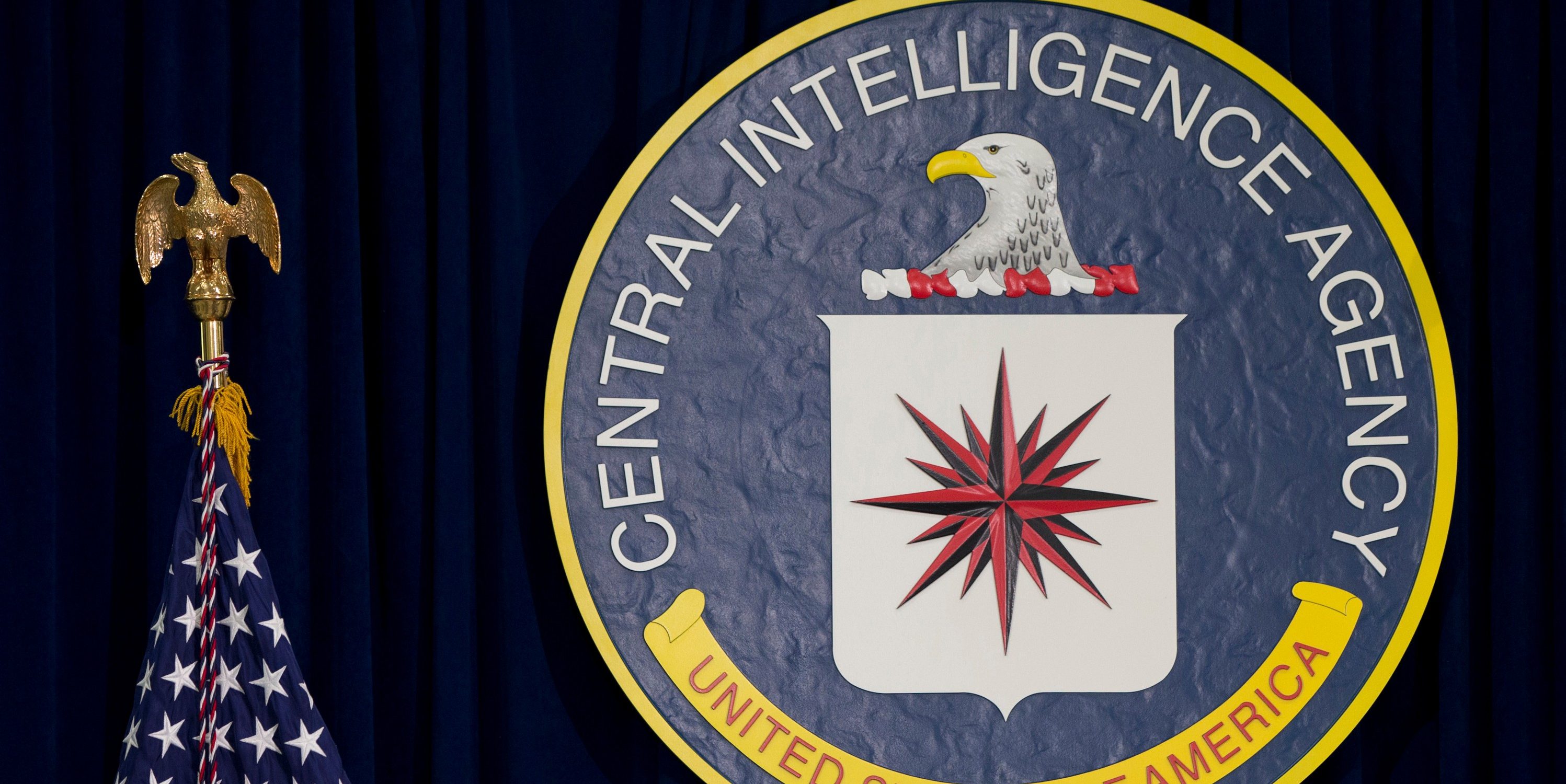
The U.S. military inquiry into the so-called Havana syndrome, the mysterious illness claimed by a litany of American intelligence officers, is tapping a controversial contractor: a private surveillance firm that once boasted of its ability to stalk American intelligence officers. Documents obtained by The Intercept through a Freedom of Information Act request reveal that technology from the Virginia-based startup Anomaly 6 has been used to assist the “Anomalous Health Incidents Cross Functional Team,” the Pentagon’s official Havana syndrome investigatory task force. That group studies a cluster of strange symptoms claimed by personnel from U.S. spy agencies, the State Department, and elsewhere in the federal government. Related American Phone-Tracking Firm Demo’d Surveillance Powers by Spying on CIA and NSA In 2022, The Intercept revealed that Anomaly 6 had used a provocative demonstration of its surveillance prowess in a closed-door business pitch. The company, which purchases bulk cellular location data harvested from millions of unwitting smartphone users around the world, showed a potential customer that its data stores were so vast and accurate that it could pinpoint the movements of employees of both the CIA and NSA, tracking them as they commuted between their homes and their respective agencies headquarters. It was a remarkable demonstration of the advanced capabilities of private sector surveillance brokers, who lean on unscrupulous smartphone apps and advertisers that indiscriminately share and sell users’ location data. For any military, the appeal of this technology is obvious, and the Pentagon has used commercial device tracking for years. Although Anomaly 6 previously marketed its wares by showing how it could spy on fellow Americans, the pitch also showed how the company could track a foreign adversary’s naval assets abroad, for example. It’s not clear on what basis the U.S. Air Force Concepts, Development, and Management Office chose Anomaly 6 for its Havana syndrome investigation; federal records note the contract is worth nearly $6 million and set to run through September. Anomaly 6 and the Air Force did not respond to a request for comment. The Air Force redacted most of the document before releasing it to The Intercept, providing only fragments of information about how Anomaly 6 is help investigate “anomalous health incidents.” The contract, described in public procurement records as Project Yellowfin, notes that the Anomalous Health Incidents Cross-Functional Team will make use of the company’s “expertise in location intelligence” to “identify actors and activities of interest,” and that the “Contractor shall produce data visualization products capable of being utilized as stand-alone brief materials by decision-makers and senior leaders. These products will enable briefers to highlight geographical distribution, temporal patterns, patterns of life, and interconnectivity of events and actors.” Related TikTok Threat Is Purely Hypothetical, U.S. Intelligence Admits This reference to actors of interest may relate to the intensely held belief by Havana syndrome patients that their suffering is due to a covert energy-based attack by a foreign government. In its 2022 pitch, Anomaly 6 singled out its ability to track the movements of Chinese and Russian military personnel, both countries that have been implicated in hypothesized Havana syndrome schemes. Last year, the U.S. intelligence community released a report that stated most of its constituent agencies believe it is highly unlikely the symptoms are the result of actions by a national adversary. When asked if Anomaly 6 location data had been used to investigate this proposed nexus or contributed to the intelligence report, the Air Force did not respond. In February, Defense Secretary Pete Hegseth announced the reorganization of the Anomalous Health Incidents Cross-Functional Team, now a division of the Office of the Undersecretary of War for Research and Engineering, helmed by former Uber executive Emil Michael. Michael’s office did not respond to a request for comment. The post Company That Bragged It Could Track U.S. Spies Hired to Investigate “Havana Syndrome” appeared first on The Intercept.