
Australian woman gives birth to rare identical quadruplet daughters
First publishedJul 22, 01:21 UTC
Last updatedJul 22, 13:11 UTC · just now ago
2 outlets CBS News1 outlet
 Seattle Times
3 outlets over time — hover a bar for its window & outletslast updated
Answer
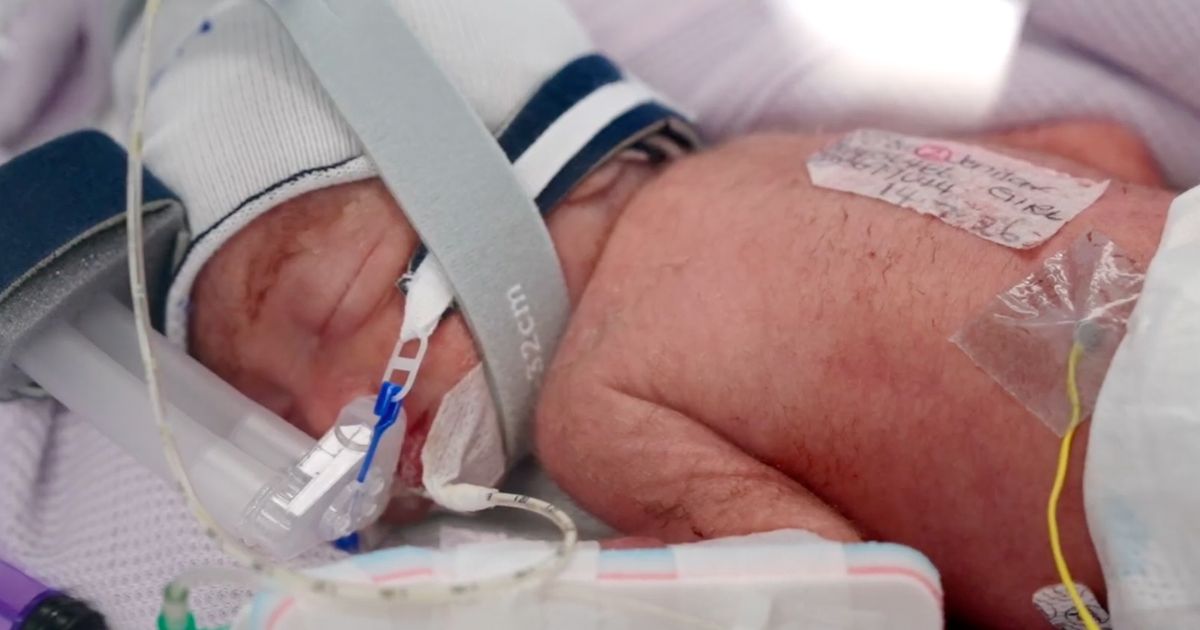
All four daughters share 100 percent of their DNA after a single fertilized egg split into four embryos, making the pregnancy a one-in-15-million occurrence.
Reported by 3 outlets — CBS News, Seattle Times. See all sources ↓
Read the full report at CBS News ↗
Why it matters
3 outlets are covering this world story — one to watch as reporting develops.
In brief
- What's the story?
- All four daughters share 100 percent of their DNA after a single fertilized egg split into four embryos, making the pregnancy a one-in-15-million occurrence.
- How widely is it covered?
- 3 outlets, average source rating 7.3/10.
- When was it last updated?
- just now ago.
Different angles across outlets
Coverage map
How outlets are framing the same story
Here's how each outlet is covering the story — compare their headlines and timing at a glance.
- Coverage card2 outlets1CoverageScouting report
After an extremely rare pregnancy, an Australian woman gives birth to identical quadruplet girls
Sources2TypeCoverage
Related in the knowledge graph
Sources (3)
Avg source rating 7.3/10Processing cluster
A1A2A3B1B2B3